About The Imagine Dragons
Imagine Dragons 2026-2027: Tour Secrets and Strategy
If you have stood in a stadium as the first chords of 'Believer' ripple through the crowd, you know that Imagine Dragons don't just perform; they orchestrate a massive, high-decibel communal experience. With the band locking in high-profile dates from the RBC Amphitheatre in Toronto to the high-energy 'Concert in the Coliseum' at the WM Phoenix Open, the demand for this upcoming cycle is hitting a fever pitch. As a veteran of the touring circuit, I can tell you that the 2026-2027 run is shaping up to be their most visually ambitious yet.
Why This Run Is Different
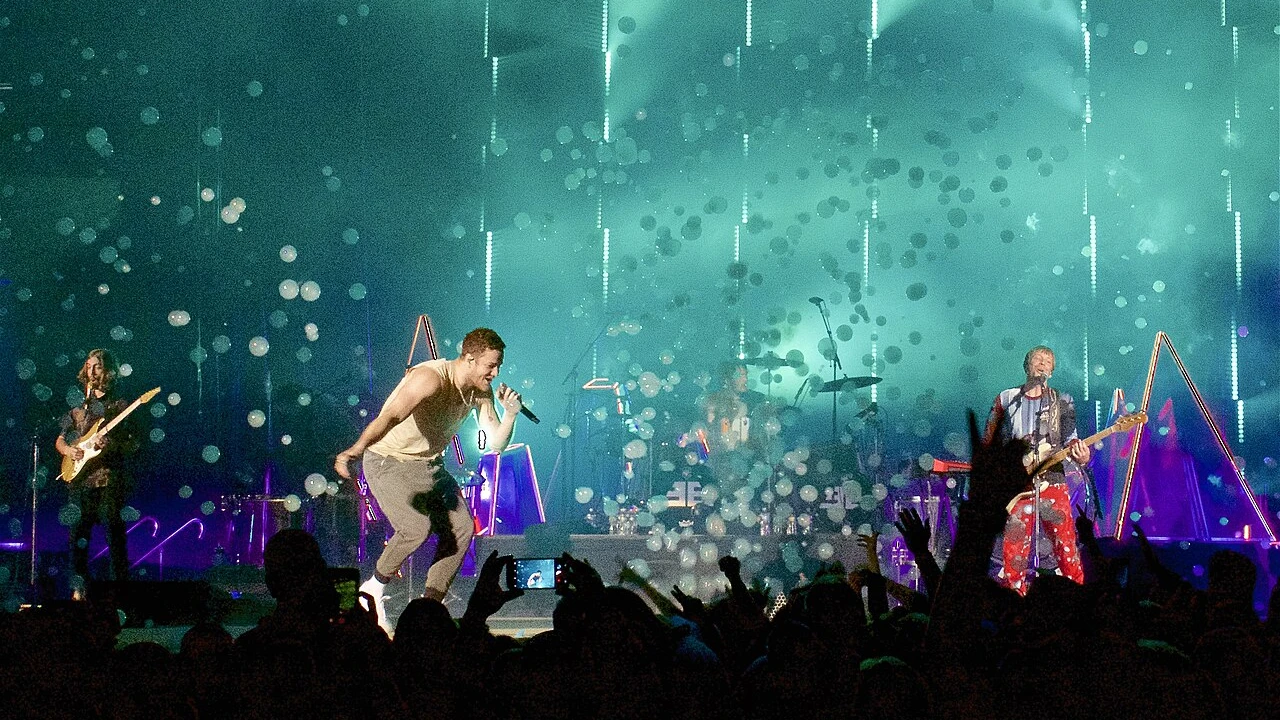
The band has moved beyond the standard stadium rock template. Recent setlists show a deliberate push into atmospheric, high-production storytelling. Expect a stage design that prioritizes 360-degree visibility, a shift from their earlier proscenium-heavy shows. They are currently balancing their massive radio hits with deeper, high-energy cuts that turn arenas into literal light shows. If you are tracking their momentum, the Phoenix Open residency is a clear signal that they are looking for high-impact, festival-style environments that maximize their sound profile.
Navigating Venue Seating: Where to Plant Your Feet
Choosing a seat for an Imagine Dragons show is a tactical decision. Here is how I break it down:
- The Pit/Floor: This is for the die-hards. You gain proximity, but you lose the grand scale of the light production. If you want to feel the bass in your chest, this is your zone.
- Lower Bowl (Mid-Section): This is the 'Golden Zone.' You are close enough to catch the band's expressions, but you sit at the perfect elevation to appreciate the massive LED arrays and pyrotechnic timing.
- The Upper Deck: Avoid the very last rows where the roof overhang can muffle the high-end frequencies. Aim for the front five rows of the upper level—you get a sweeping view of the crowd's energy without the acoustic dead zones.
Pro Tip: Always check the stage orientation on the interactive map. If they are using a center-stage setup, avoid the 'dead zones' behind the massive sound consoles.
The Resale Market: Timing Your Purchase
I have spent years watching the secondary ticket algorithms. The panic move is buying the second a show sells out. Don't do that. Prices usually see a 'cool off' period about three to four weeks before the date. However, there is a secondary spike exactly 72 hours before showtime as professional brokers dump inventory. If you are hunting for value, that 72-hour window is your sweet spot. Always prioritize verified resale platforms to avoid the headache of a fake barcode at the gate.
Securing Your Spot
With tour dates filling up faster than ever, waiting for a general sale is a gamble. If you want to guarantee your place in the pit or lock down those perfect sightline seats, you need to be looking at live inventory now. Don't leave your concert experience to chance.
Check out the live interactive seat maps and lock in your verified resale tickets at TicketsCamp before the best spots disappear. Whether you're aiming for the front row or a prime lower-bowl view, being prepared is the only way to ensure you don't miss the pyrotechnics.