About The florence and the machine
Florence and the Machine 2026 Tour: What You Need to Know
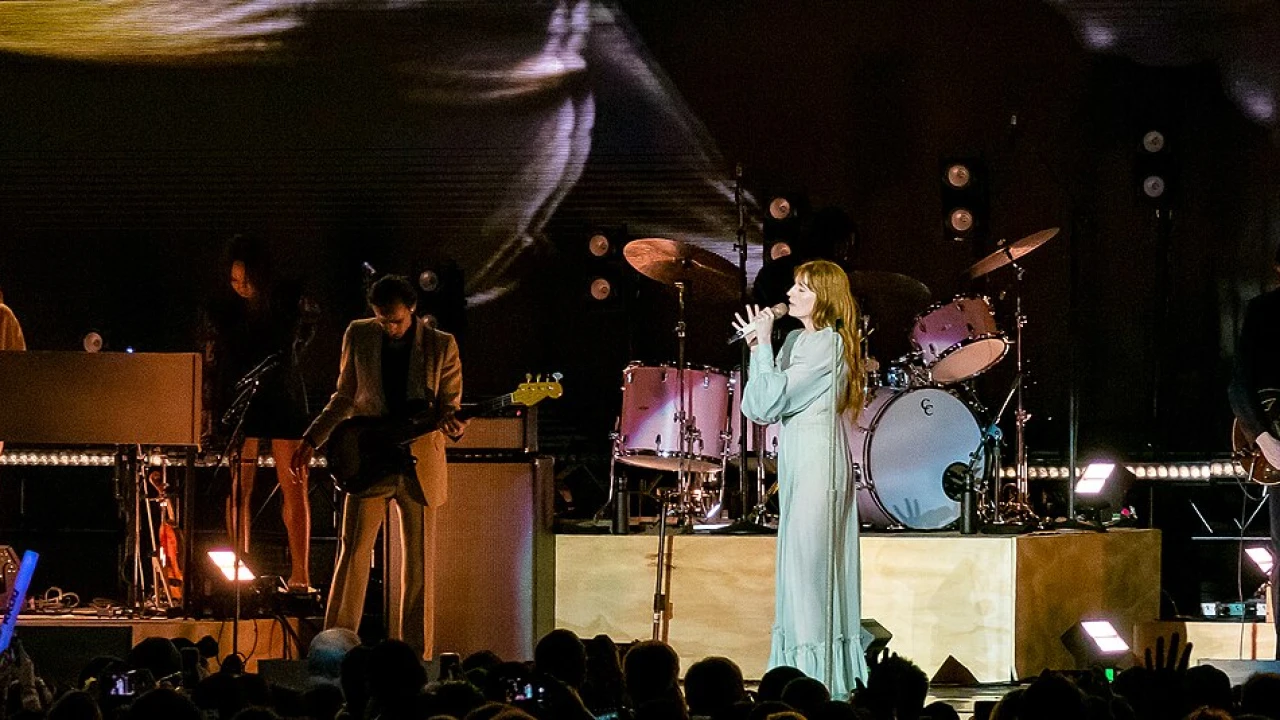
Florence Welch doesn't just perform; she commands the air in the room. Anyone who saw the recent run at the Chase Center knows exactly what I’m talking about. The energy wasn't just electric—it was visceral. As we look toward the 2026-2027 tour cycle, the momentum is already shifting. Industry insiders are watching the scheduling closely, and with dates like May 15, 2026, already locked in, the race for premium inventory has officially started.
The Aesthetic and The Experience
Expect the production to be leaner yet more intense than previous iterations. Florence has moved away from the chaotic maximalism of her early years toward a curated, gothic-ethereal vibe that feels like a ceremony. You aren't just going to hear 'Dog Days Are Over' or 'King'; you are going to participate in a communal release. The sound design is shifting to emphasize the percussion and the raw, unvarnished power of her vocals, stripping back the digital polish to reveal something more primal.
The stage setup for 2026 is rumored to favor verticality, utilizing light arrays that mimic a cathedral’s stained glass, creating intimacy in even the largest arenas.
Venue Strategy: Where to Stand and Where to Sit
Not all seats are created equal for this tour. If you want the full immersion, the floor is non-negotiable. You want to be close enough to catch the energy of the front rows, where Florence is known to lean into the crowd. However, there is a catch: the 'audio pillar' trap. In many modern arenas, the sound towers can block your view of the secondary stage setups.
- The Gold Zone (Floor): Aim for the first ten rows center. Anything further back, and you are fighting for sightlines with six-foot-tall fans.
- Lower Bowl (The Sweet Spot): Look for sections directly parallel to the stage. You avoid the side-stage visual obstructions while maintaining a perfect audio mix.
- Upper Bowl Caution: Avoid the extreme sides of the upper tiers. The acoustics often bounce off the ceiling, muffling the delicate, high-frequency nuances of the harp arrangements.
Navigating the Ticket Market
The secondary market is a volatile beast. I’ve tracked the algorithms for years, and here is the reality: prices typically hit a 'plateau of indifference' about two weeks out from the show. If you see a price spike immediately after the initial sellout, hold your fire. Sellers are testing the ceiling. The real movement happens 72 hours before curtain call. That is when corporate blocks and unsold inventory are released or dumped by speculators trying to recoup costs. However, waiting carries risk. If you want peace of mind, avoid the shady social media DMs and stick to verified platforms.
Your Next Move
Don't be the fan standing in the concourse wishing they had pulled the trigger earlier. The demand for this tour is organic, driven by a fanbase that shows up early and stays late. Before you commit to a purchase, check the interactive maps to ensure you aren't paying a premium for a restricted view. When you are ready to lock in your spot, head over to TicketsCamp to browse verified resale tickets and ensure you’re inside when the lights go down.